


Mastering Advanced Watercolor Techniques for Improving Watercolor Skills
Watercolor painting is a gentle dance between water, pigment, and paper. It invites us to slow down, observe, and embrace the unexpected beauty that unfolds with each brushstroke. As someone who has spent countless hours exploring this delicate medium, I find that mastering advanced watercolor techniques is less about rushing to perfect every detail and more about deepening your connection with the process. Whether you are nestled in your cozy studio or enjoying a quiet afternoon with your watercolor art kit and vintage teacup box, this journey is about discovering your unique voice through color and flow.
Let me share with you some of the most rewarding ways to elevate your watercolor practice, blending technical skill with heartfelt creativity.
Embracing the Journey of Improving Watercolor Skills
Improving watercolor skills is a tender process that requires patience and curiosity. One of the first steps I encourage is to experiment with layering. This technique involves applying multiple transparent washes, allowing each layer to dry before adding the next. It creates depth and luminosity that can transform a simple wash into a glowing landscape or a delicate floral study.
Try this: start with a light wash of color, then add shadows and details with subsequent layers. Notice how the colors interact and how the paper’s texture plays a role in the final effect. This slow build-up invites you to observe subtle changes and develop a keen eye for color harmony.
Another technique that often surprises beginners is wet-on-wet. By applying wet paint onto a wet surface, pigments blend and flow unpredictably, creating soft edges and dreamy gradients. It’s a wonderful way to capture skies, water reflections, or the gentle blush of petals. The key is to control the amount of water and pigment to avoid muddy colors.
I also love exploring dry brush techniques, where a relatively dry brush with pigment is dragged across the paper’s surface. This creates texture and fine details, perfect for grasses, tree bark, or delicate feathers. It’s a lovely contrast to the fluidity of wet washes and adds a tactile quality to your work.

Exploring color mixing is essential for mastering watercolor.
What are three common mistakes that people make when using watercolor?
Even the most experienced artists encounter challenges with watercolor. Here are three common pitfalls I’ve seen and how to gently overcome them:
Overworking the Paper
Watercolor paper is delicate, and repeatedly scrubbing or layering too much pigment can damage its surface. This often leads to muddy colors or unwanted textures. To avoid this, allow each layer to dry fully before adding more paint, and embrace the natural granulation and texture of the paper.
Using Too Much Water
While water is the heart of this medium, too much can cause colors to bleed uncontrollably or lose vibrancy. Practice controlling your brush’s moisture by blotting excess water on a paper towel and experimenting with different brush sizes and shapes.
Ignoring the White of the Paper
Unlike other painting mediums, watercolor relies on the white of the paper to create highlights and luminosity. Covering the entire surface with paint can flatten your work. Instead, plan your composition to leave areas of untouched paper or use masking fluid to preserve whites.
By recognizing these common mistakes, you can approach your painting with more confidence and a sense of calm, knowing that each “error” is simply part of the learning process.
Exploring Texture and Detail with Advanced Techniques
One of the joys of watercolor is its ability to surprise us with textures that feel both organic and intentional. To add texture, I often use salt sprinkled onto wet paint. As the salt absorbs moisture, it creates beautiful, crystalline patterns that mimic natural textures like sand or stone. This technique is perfect for adding interest to skies, water, or abstract backgrounds.
Another favorite is lifting. This involves removing paint from the paper using a damp brush, sponge, or tissue while the paint is still wet or after it has dried. Lifting can create highlights, correct mistakes, or add soft textures like clouds or mist. It’s a gentle way to refine your painting without starting over.
For fine details, I recommend using a rigger brush or a fine liner brush. These tools allow you to paint thin, precise lines such as branches, veins on leaves, or delicate patterns on fabric. Pairing these details with broader washes creates a balanced composition that feels both lively and harmonious.
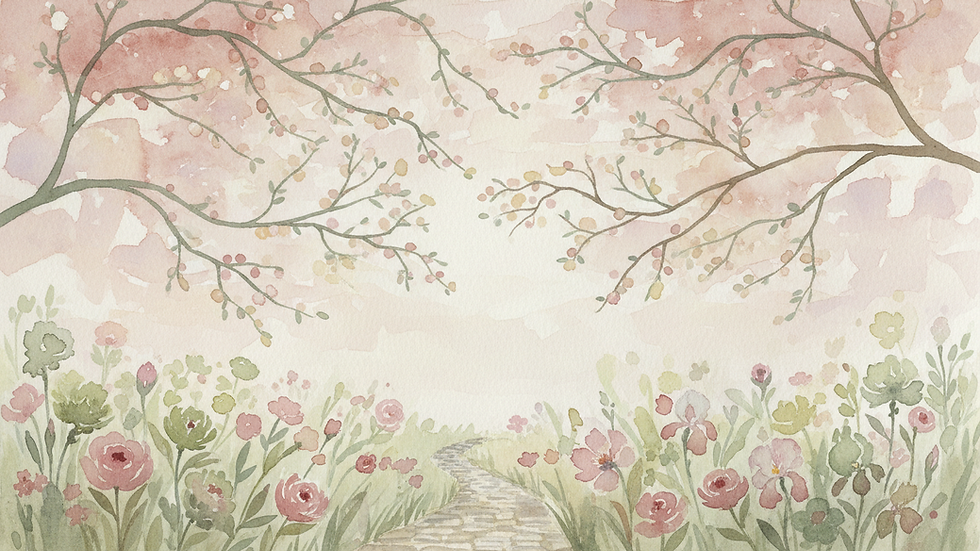
Adding texture and detail brings your watercolor paintings to life.
The Magic of Color Mixing and Palette Choices
Color mixing is where your personal style truly begins to shine. I encourage you to create a limited palette of colors that resonate with you. This not only simplifies your choices but also helps you develop a cohesive color story in your paintings.
Try mixing complementary colors to create muted, earthy tones that add depth and sophistication. For example, mixing a bit of red with green can produce beautiful browns and grays that feel natural and grounded. Experiment with warm and cool versions of the same color to add vibrancy and contrast.
Remember, your palette is your signature. Whether you prefer soft pastels or bold jewel tones, the key is to understand how your colors interact and how to balance them on the paper.
If you want to dive deeper into these methods, exploring watercolor painting techniques can offer a treasure trove of inspiration and guidance.
Inviting Creativity and Mindfulness into Your Practice
Watercolor is not just about technique; it’s a mindful practice that invites you to slow down and savor the moment. I find that setting a peaceful environment—perhaps with soft music, a cup of tea in a vintage teacup, and natural light—can transform your painting session into a meditative ritual.
Allow yourself to play without judgment. Try abstract washes, spontaneous brushstrokes, or mixing unexpected colors. Each experiment is a step toward discovering your artistic voice.
Journaling your watercolor journey can also be a beautiful companion. Note what you enjoyed, what challenged you, and what you want to explore next. This gentle reflection nurtures growth and keeps your practice joyful and meaningful.
I hope these insights inspire you to embrace the magic of watercolor with warmth and curiosity. Remember, every brushstroke is a step toward mastering your craft and creating art that feels truly your own. May your paints flow freely, your colors sing, and your heart find peace in the dance of water and pigment.


Comments